
"foreign pricing"
3000 article(s) found

Flavor description of Ethiopian Sidamo Lion King Coffee beans introduction to the taste of grinding scale varieties
Flavor description of Ethiopian Sidamo Lion King Coffee is Ethiopia's most important export cash crop and a major source of foreign exchange earnings. Ethiopia's coffee exports account for about 3% of the world market, making it the eighth largest coffee exporter in the world. Coffee exports increased steadily from 58000 tons in 1990 to 1995-1996.

Flavor description of Ethiopian Yejia Snow Coffee beans introduction of varieties produced by taste treatment
Flavor description of Ethiopian Yega Coffee beans Coffee is the most important export cash crop and the main source of foreign exchange income in Ethiopia. Ethiopia's coffee exports account for about 3% of the world market, making it the eighth largest coffee exporter in the world. Coffee exports increased steadily from 58000 tons in 1990 to 1995-1996.

Development Strategy of Coffee Industry in Yunnan
First, the course of coffee industry in Yunnan (1) A brief history of the introduction of coffee in Yunnan is the product of foreign missionary work. After Burma became a British colony, British missionaries went to the Kachin region of Myanmar to preach, and the missionaries grew coffee for their own use. Then the Jingpo people in this area gradually began to grow coffee. As the Jingpo people live across borders, with the exchange of visiting relatives and friends, intermarriage and exchange, coffee comes in.

Coffee consumption Culture-Why Starbucks can sell at high prices in China
The article holds that an important issue is culture. Since China opened its economy to the outside world and imported products from abroad in the late 1970s, these imports have gained some preference from image-conscious consumers. Wang Fei, a consultant in Washington, grew up in Wuhan. Traditionally, foreign products are thought to be better in workmanship, more tasteful and better, he said. People's society

Introduction to Ethiopian Sidamo Coffee with acidity, texture, taste and aroma
The flavor of water-washed coffee is not easy to have wild flavor, and has the characteristics of purity and freshness, which is suitable for the baking degree from City to Full City. Some Ethiopian water-washed coffee beans with excellent nature can sometimes detect obvious lemon, citrus essential oils, jasmine, honey, etc., with obvious sour taste and mellow feeling.
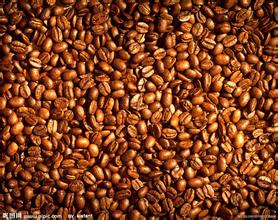
Where does Sidamo Shakiso Coffee come from? description of flavor. Introduction to the region where the varieties are produced.
Where does Sidamo Shaquiso Coffee come from? describe the flavor of the variety. Coffee is Ethiopia's most important export cash crop and the main source of Ethiopia's foreign exchange earnings. Ethiopia's coffee exports account for about 3% of the world market, making it the eighth largest coffee exporter in the world. Coffee exports increased steadily from 58000 tons in 1990 to 1995-1996.

The official website of Yunnan Coffee Trading Center, the largest coffee trading service platform in China-Yunnan Coffee Network
Professional coffee knowledge exchange more coffee bean information please follow the coffee workshop (Wechat official account cafe_style) yce Yunnan Coffee Trading Center has become the largest coffee trading service platform in China Yunnan Coffee has entered the fresh fruit harvest period. Yunnan Coffee Trading Center, headquartered in Pu'er City, has taken another solid step towards international operation: the trading center and world-renowned coffee traders.

Introduction to the characteristics of Ethiopian boutique coffee bean flavor and taste manor with suitable acidity
In Ethiopia, the grading and quality control system of coffee is divided into three levels: producer, regional and national. All coffee is inspected by local inspection agencies before leaving the country of origin, and then re-tested at the coffee inspection and grading centers in Addis and Diredawa to determine its quality grade. Coffee is graded before auction and sale, for all involved in production, acquisition,

Introduction to the unique flavor description and taste characteristics of the Yega Shiffiwaka coffee producing area
In Ethiopia, the grading and quality control system of coffee is divided into three levels: producer, regional and national. All coffee is inspected by local inspection agencies before leaving the country of origin, and then re-tested at the coffee inspection and grading centers in Addis and Diredawa to determine its quality grade. Coffee is graded before auction and sale, for all involved in production, acquisition,

Introduction to the varieties treated in the area of Sunshine Ye Jia Xue Fei Coffee Bean Flavor
Coffee is the most important export cash crop and the main source of foreign exchange income of Ethiopia. Ethiopia's coffee exports account for about 3% of the world market, making it the eighth largest coffee exporter in the world. Coffee exports increased steadily from 58000 tons in 1990 to 110 tons in 1995-1996.
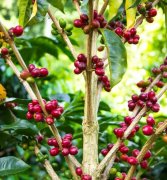
Introduction to Export Information of Coffee planting methods in Ethiopia
Ethiopian coffee can be classified according to the way it is grown and processed. 1. According to the planting mode, coffee can be divided into three types: forest-semi-forest coffee, courtyard coffee and plantation coffee. (1) 60% of the coffee belongs to forest-semi-forest coffee. In such a wild coffee forest, pesticides are not used at all, but biological prescriptions are used.

Introduction to the flavor of Ethiopian Sidamo coffee beans with jasmine and honey flavor
The flavor of water-washed coffee is not easy to have wild flavor, and has the characteristics of purity and freshness, which is suitable for the baking degree from City to Full City. Some Ethiopian water-washed coffee beans with excellent nature can sometimes detect obvious lemon, citrus essential oils, jasmine, honey, etc., with obvious sour taste and mellow feeling.
The export of Ethiopian coffee knows the main producing areas of Ethiopian coffee.
Coffee export coffee is Ethiopia's most important export cash crop and the main source of Ethiopia's foreign exchange earnings. Ethiopia's coffee exports account for about 3% of the world market, making it the eighth largest coffee exporter in the world. Coffee exports increased steadily from 58000 tons in 1990 to 110000 tons in 1995-1996 and remained at this level in the following years. two

Ethiopian Coffee Flavor Flavor Manor introduces Ethiopian Coffee varieties
Washed coffee accounts for 35% of exports. Good quality washed coffee is processed with freshly picked fully ripe fruit, picked carefully and closely monitored by professionals. The picked clean coffee beans are pulped on the day of picking, then fermented, washed, dried and peeled. The humidity of processed coffee beans is kept at about 12%. Sun-cured coffee accounts for 65% of exports. Mainly by

Introduction to the treatment methods of roasting degree and grinding degree of Ethiopian coffee flavor description varieties
Coffee is Ethiopia's most important export cash crop and the main source of Ethiopia's foreign exchange earnings. Ethiopia's coffee exports account for about 3% of the world market, making it the eighth largest coffee exporter in the world. Coffee exports increased steadily from 58000 tons in 1990 to 110000 tons in 1995-1996 and remained at this level in the following years. 2001-2002

Introduction to Grinding degree of Ethiopia Yega Xuefei Water washing G2G1 Solar Flavor characteristic treatment method
According to the grinding characteristics of the Ethiopian coffee flavor treatment method, Yega Xuefei uses the oldest sun treatment method, but in 1972, Ethiopia introduced Central and South American washing technology in order to improve its quality. it makes the jasmine and citrus fragrance of Yega Xuefei clearer and more refined, and it has become the best product of the world's fine beans, thanks to the exquisite washing technology since the 1970s.

Is Yunnan coffee famous in the world? what grade and grade Yunnan coffee beans belong to in foreign countries?
Professional coffee knowledge exchange more coffee bean information please follow the coffee workshop (Wechat official account cafe_style) he has a coffee farm in southwestern Yunnan by 5000 coffee trees per hectare, growing in plenty of sunlight, a typical plantation-style layout. Catimor is a variety of options for farmers in the region, chosen because of its low sensitivity to disease and higher, faster yields.

Flavor performance of Chinese-made coffee beans Yunnan coffee Katim tin card small-grain coffee beans
Professional coffee knowledge exchange more coffee bean information Please follow the coffee workshop (Wechat official account cafe_style) for a long time, domestic coffee beans from Yunnan have been sold back to China after being packaged and labelled by global coffee giants at low prices. The high quality and poor price of domestic coffee beans once again reflects that China's agricultural products have products and no products.

Introduction to Ted Manor in Sidamo Coffee producing area of Ethiopia with acidity and texture
In Ethiopia, the grading and quality control system of coffee is divided into three levels: producer, regional and national. All coffee is inspected by local inspection agencies before leaving the country of origin, and then re-tested at the coffee inspection and grading centers in Addis and Diredawa to determine its quality grade. Coffee is graded before auction and sale, for all involved in production, acquisition,

Ethiopian Coffee Manor Flavor Description Grindness Taste Characteristics Boutique Coffee Introduction
Ethiopian coffee grade: Ethiopian washed coffee Yirgacheffe G1 G2 Sidamo (Yirgacheffe, Sidamo) the highest grade is second and third grade (G2, G3), the eastern part of Ethiopia sun processing coffee is mostly fourth or fifth grade (G4, G5). In many cases, fourth-grade coffee is labeled as five-grade in order to reduce taxes. The current classification is not very uniform, there are